What is Somatics?
All three use breath. All three use movement.
So what makes them distinct – and how do you know which one is right for you?
If you've ever found yourself staring at a class timetable wondering whether to book yoga or Pilates, or curious about what "somatics" even means, you're not alone. These three practices sit close together in the world of mindful movement – and they share more than most people realise. But their differences matter, and understanding them can help you choose the right movement practice for whatever season of life you're in, or whatever your goals are.
The throughline: breath and movement
Before we get into the differences, it's worth identifying what unites all three practices: breath and movement, used together with intention.
This isn't a coincidence. The relationship between breath and movement plays a huge role in how the nervous system regulates itself, how the body releases held tension, and how we begin to develop a deeper connection between mind and body.
Each of these practices understands that – they just arrive at it from a different angle.
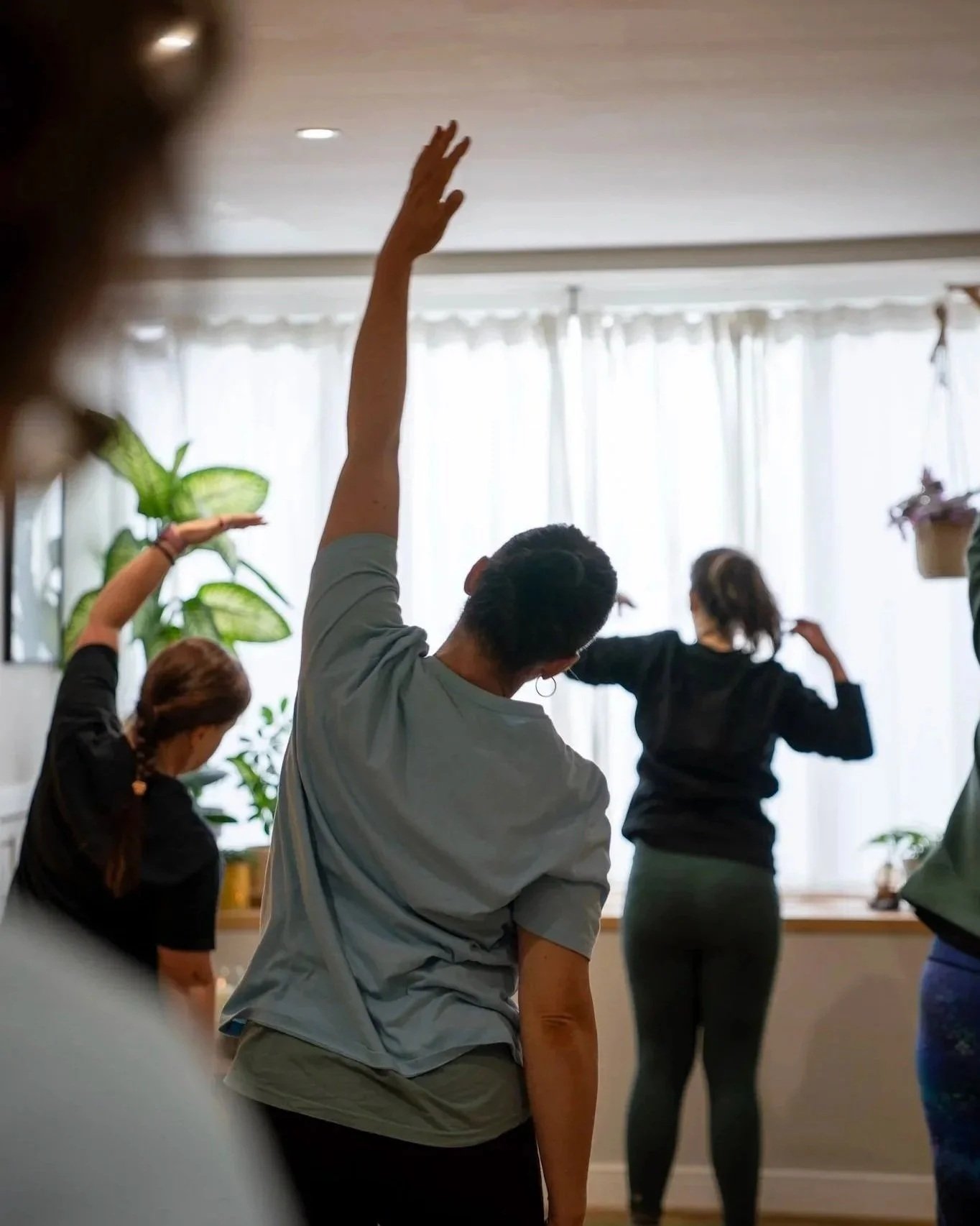
Yoga: the embodied union of breath and movemente: breath and movement
One of the world's oldest movement practices, yoga originated in ancient Indian philosophy, in which movement, breath, and mind were never considered separate. The word itself comes from the Sanskrit yuj — to yoke or bind together.
In the West, we mostly experience yoga through its physical postures — but these were always just one part of a broader system for steadying attention and regulating the nervous system. That philosophy is still present in every class. The invitation to follow the breath. To notice where you're holding or bracing. To arrive in the body rather than observe it from a distance.
Yoga builds flexibility, balance and strength – but its primary orientation is awareness. The body is the vehicle. The breath is how you navigate it.
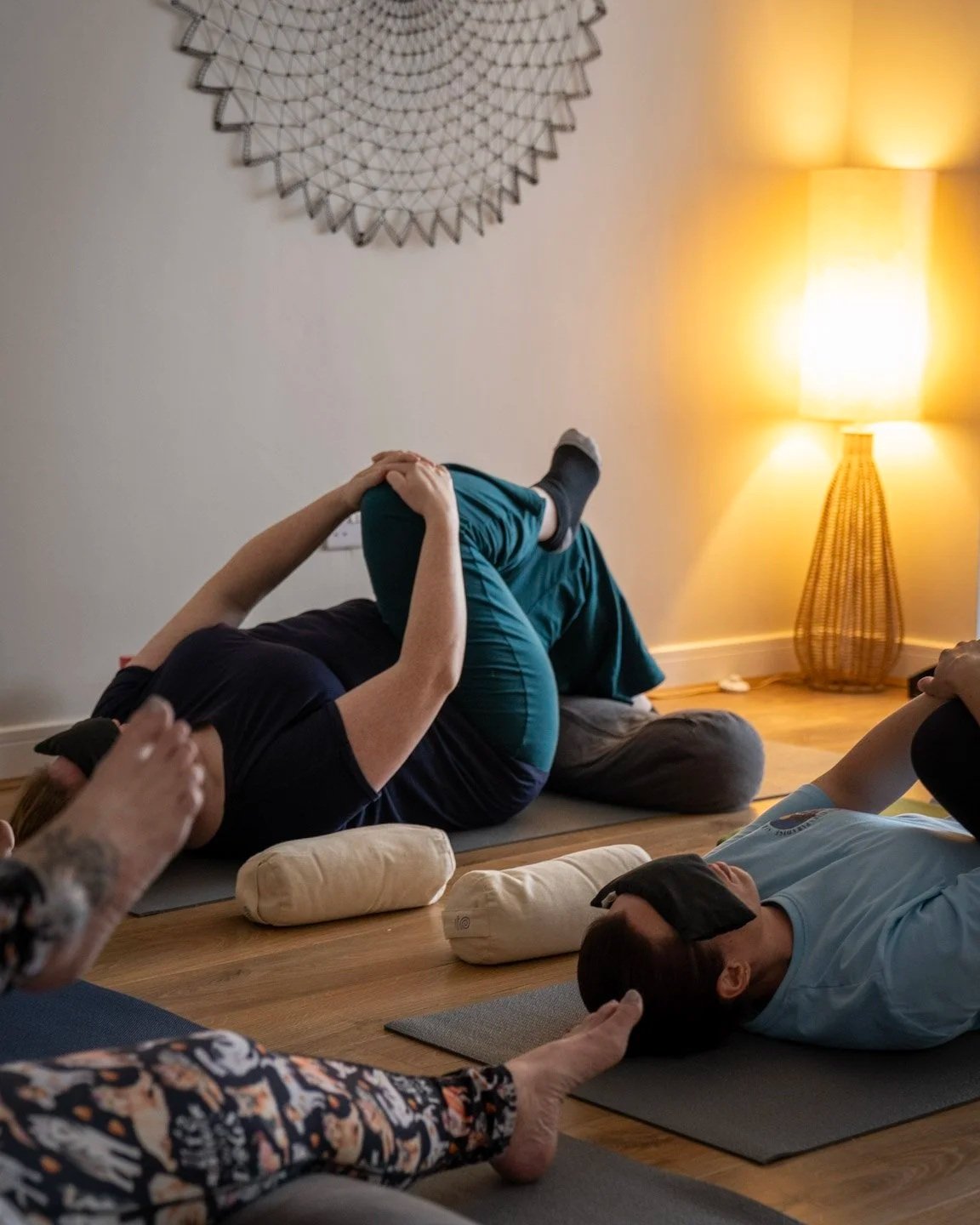
Pilates: breath and movement with precision
Developed in the early 20th century by Joseph Pilates, the method was originally created as a rehabilitation system — first for injured dancers, later for anyone seeking to rebuild strength and function after illness or injury. It was always about intelligent movement, with a focus on control.
Every Pilates class is built on six principles: control, precision, flow, concentration, centring, and breath. Movements are slow and intentional, each one initiated from the core — what Pilates called the "powerhouse.".
That precision is what makes it carry into ordinary life. How you sit, how you stand, how you recover.
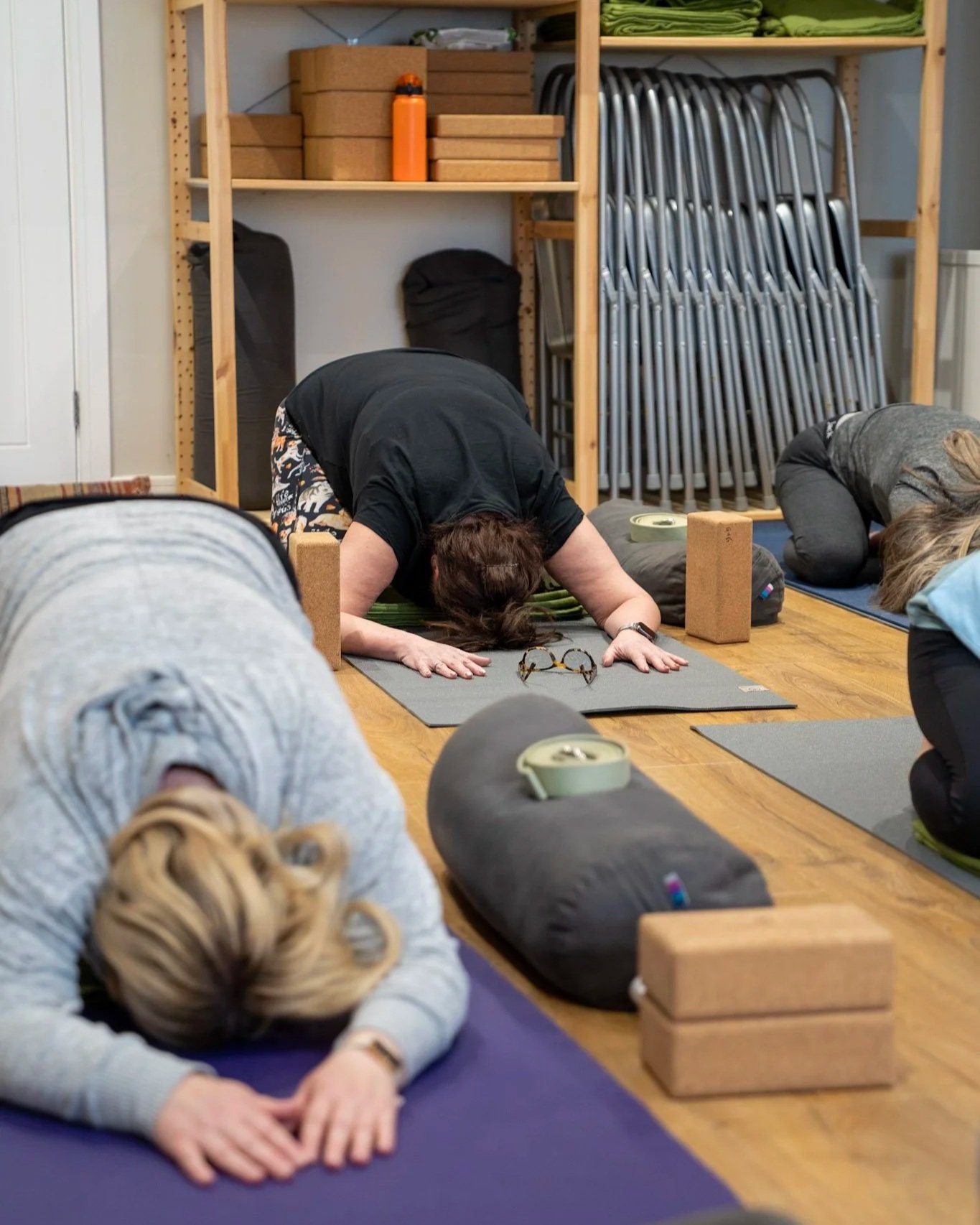
Somatics: breath and movement as a path inward
The word somatics comes from the Greek soma — the living body as experienced from within. Somatic movement is a relatively modern discipline, developed through 20th-century pioneers like Thomas Hanna and Moshe Feldenkrais, who recognised that chronic tension, stress and trauma are held physically in the body – and that movement, used carefully, could release them.
Where yoga moves toward presence and Pilates toward precision, somatics moves toward inner experience. It works directly with the nervous system. It’s a gentle, mindful, exploratory practice that can be particularly valuable for anyone carrying anxiety, burnout or stress that hasn't shifted with more conventional approaches.